There’s a unique liberty in turning a car key on foreign soil—the map in your pocket becomes a promise and the itinerary finally feels possible. Renting a car abroad opens routes public transit won’t touch: coastal roads with unmarked viewpoints, villages where buses stop once a day, and market towns tucked away from tourist trails. But freedom comes with paperwork, local quirks, and the occasional unexpected toll booth. This article walks you through what matters most so your trip spends more time on scenery and less time solving preventable problems. On the website you will find out more about car rental https://hobartcarrentals.com/lander.
Start with the basics: documents, age, and eligibility
Before you book anything, collect the essentials. Most countries accept your national driver’s license, but many recommend—or legally require—an International Driving Permit (IDP) alongside it. IDPs translate your license into several languages and can save you from a tense conversation with police or rental staff. Check the rental company’s age rules too: some nations impose minimums of 21, others charge extra for drivers under 25. Your credit card is often a must; rental companies place a security hold for the deposit and excess coverage.
Quick checklist of required items
- Valid driver’s license from country of residence
- International Driving Permit (if required)
- Major credit card in the renter’s name
- Passport and proof of address
- Booking confirmation and contact numbers
Choosing the right car and rental company
Car choice should be practical, not aspirational. Think about where you’ll drive: narrow medieval streets favor compact cars; mountain passes demand good brakes and reliable heating. If you plan gravel roads, consider an SUV with higher clearance. Read recent reviews of local branches—not all locations of a global brand behave the same. Independent local firms can offer competitive rates and flexibility, but verify their reputation through forums or trusted platforms.
Factors to weigh when selecting a vehicle
- Fuel type (diesel often more efficient in some countries)
- Transmission (manuals are cheaper abroad; automatics cost more)
- Size for luggage and passengers
- Winter equipment (studded tires, chains) if traveling in cold climates
- GPS vs using your phone (offline maps are essential where signal is weak)
Understanding insurance: what you really need
Insurance is the section where confusion and anxiety meet. Rental firms offer a menu: Collision Damage Waiver (CDW), Theft Protection, Third-Party Liability, and extra options that reduce your excess deductible. CDW reduces your financial responsibility after damage, but often comes with a significant deductible unless you buy “super” coverage. Your personal car insurance and many credit cards provide secondary or primary rental coverage—read the fine print carefully. If your credit card covers CDW, you may decline the rental company’s CDW, but you must usually pay the full deposit and may need the cardholder present.
| Coverage | What it means | Considerations |
|---|---|---|
| Collision Damage Waiver (CDW) | Limits renter’s liability for vehicle damage | Often excludes tires, windshield, undercarriage |
| Theft Protection | Reduces liability if the car is stolen | May not cover items left inside |
| Supplemental Liability Insurance | Extends third-party bodily injury/property coverage | Local minimums can be low—SLI adds protection |
| Roadside Assistance | Towing, battery jump-starts, lockout help | Check whether assistance is included or paid locally |
Practical insurance tips
Ask for detailed exclusions in writing. Take photos of the car at pickup and on return, preferably time-stamped. If your credit card covers rentals, call the card issuer ahead and confirm the exact process for claims; ask whether coverage is primary or secondary and whether it applies in the country you’ll visit. Buying extra coverage at the rental desk can be expensive but it also removes uncertainty if you prefer instant peace of mind.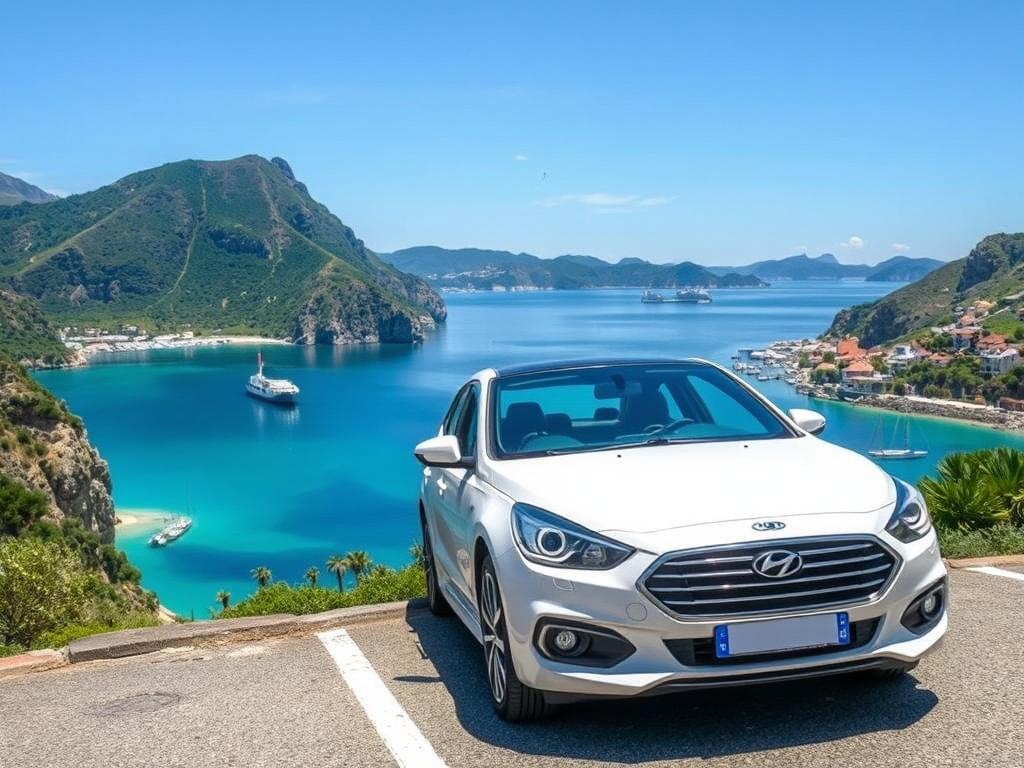
Know the rules of the road where you’re headed
Traffic laws differ more than most travelers expect. Some countries allow right turns on red; others impose strict drinking-and-driving limits measured differently than your home country. Speed limits, overtaking rules, use of headlights during the day, and seatbelt laws vary; check official government travel advisories or local transport sites. Watch for common pitfalls: confusing roundabout rules, toll systems that register license plates rather than collect cash, and low-emission zones where fines apply for non-compliant vehicles.
Essential driving behaviors to adopt
- Drive defensively—expect local drivers to have different conventions
- Observe road signs; unfamiliar symbols crop up
- Use a dash camera where legal—helpful for dispute evidence
- Plan routes that avoid late-night unfamiliar driving in rural areas
Pick-up and drop-off: inspect, document, and confirm
The moment you first approach the car matters. Walk around it with the clerk and mark any scratches, dents, or interior damage on the contract. Photograph every panel and the odometer. Ensure spare tire and tools are present. Ask about the fuel policy—full-to-full is the fairest—and note the exact fuel level on the agreement. When returning, give yourself extra time; unexpected queues or inspection disagreements can cost you a fee if you’re late.
Common fuel and return policies
| Policy | How it works | Pros and Cons |
|---|---|---|
| Full-to-full | Pick up full, return full | Fair and usually cheapest if you refill before return |
| Pre-purchase | Pay for a tank and return empty | Convenient, but you may pay for unused fuel |
| Free tank | Often promotional; check contract for hidden fees | Can seem cheaper but has stricter return terms |
Handling problems: accidents, tickets, and breakdowns
If the car is damaged or you’re in an accident, prioritize safety and local legal steps. Call local emergency services if needed. Exchange details with other parties and report the incident to the rental company immediately. Keep a copy of police reports or incident numbers—insurance claims often hinge on this documentation. For breakdowns, roadside assistance coverage matters. If you find a parking or speed ticket upon return, expect the rental company to charge your card later for fines plus an administrative fee.
Practical actions after an incident
- Document everything: photos, witness names, police report numbers
- Notify the rental company promptly and follow their instructions
- Keep all receipts for towing, repairs, or transport
- Contact your insurer or credit card benefits department if applicable
Money matters: deposits, currency, and extras
Budget beyond the headline rental rate. Security deposits can be several hundred to a few thousand in the renting company’s currency and are released days to weeks after return. Extras—child seats, GPS, snow chains, additional drivers—add quickly. Some companies add service charges for one-way rentals or after-hours returns. Use credit cards that offer some purchase protection and keep records of all transactions and receipts to contest unexpected charges later.
Ways to save without skimping on safety
- Book early and compare total cost, not just base rate
- Decline extras you don’t need—use your phone for navigation
- Check if your personal car insurance or credit card covers rentals
- Avoid airports when possible—city locations often have lower fees
Crossing borders and special permissions
If your route crosses international borders, tell the rental company in advance. Some rentals don’t permit cross-border travel or impose daily fees and require additional paperwork. Green cards, permits, or temporary importation documents may be necessary. Also check for required safety equipment by country—reflective vests, warning triangles, or breathalyzers are mandatory in some places. Failing to declare cross-border travel can void insurance.
Questions to ask when planning a multi-country road trip
- Is cross-border travel allowed under this rental agreement?
- Are there additional insurance or toll charges per country?
- What documentation do I need at each border?
- Does roadside assistance operate in the neighboring country?
Smart habits for stress-free driving
Adopt simple rituals to reduce friction. Photograph the car and contract at pick-up. Keep digital copies of booking confirmations and insurance cards in your email and offline on your phone. Use a small notebook to record who you spoke with at the rental company and the time of any incidents. Plan fuel stops in advance if you’ll travel remote stretches. Finally, accept that a wrinkle or two may occur—how you prepare determines whether it becomes a minor inconvenience or a trip spoiler.
Handy tech and gear to pack
- Phone chargers and a local SIM or eSIM for reliable navigation
- Paper map as backup in remote areas
- Small first-aid kit and basic toolset
- Reusable water bottles and a flashlight
Sample checklist before you drive off
| Item | Completed? |
|---|---|
| License and IDP checked | [ ] |
| Credit card for deposit available | [ ] |
| Photos of damage taken | [ ] |
| Fuel policy noted | [ ] |
| Insurance coverage confirmed | [ ] |
Final practical tips
Talk to locals about road conditions if you plan off-the-beaten-track driving. Keep cash for tolls and small services where cards aren’t accepted. Park in secure locations overnight and don’t leave valuables visible. If you rent a manual car abroad and you’re only comfortable in automatics, pay the premium—driving stressed and unfamiliar with shifting is a recipe for trouble. And remember: a calm approach to rules, paperwork, and a little patience will usually earn you far better outcomes than last-minute scrambles.
Conclusion
Renting a car abroad rewards curiosity with access and flexibility, but it demands preparation: the right documents, clear understanding of insurance, attention at pickup and return, and respect for local driving rules. With a few careful checks, sensible choices about vehicle and coverage, and some common-sense driving habits, you turn potential headaches into small bumps on a road that leads to discoveries most travelers miss. Drive prepared, keep your paperwork and photos in order, and enjoy the freedom a rental car can give you—because the best parts of travel often happen where the bus doesn’t go.