Coins are small, unassuming pieces of metal that sometimes hide stories and value far beyond their face. Maybe you found a tarnished silver dollar in a shoebox, or an odd foreign coin mixed in a jar of pocket change. Before you rush to list it on an auction site or hand it to a dealer, take a few careful steps. This guide walks you through a practical, step-by-step process to identify, research, authenticate, and estimate the value of old coins. No jargon-heavy lecture—just clear, usable advice that keeps your coin identifier app safe and helps you avoid common traps.
Why coin value varies (short version)
Value comes from a mix of facts and market feelings. Facts include date, mint mark, metal content, and how many similar pieces were made. Market feelings — collector demand — can swing prices wildly. Condition is the single biggest multiplier: two coins of the same year can differ hugely in price if one is worn and the other looks nearly new. Rarity matters, but so does provenance: a coin with a documented history or graded by a respected company often commands a premium. Think of value as a recipe where condition and rarity are the main ingredients and market interest is the seasoning.
Gather the right tools before you touch anything
Handling coins carefully protects both value and peace of mind. You don’t need a professional kit to start, but a few basics make identification accurate and keep your coins safe.
| Tool | Why it matters |
|---|---|
| Soft cotton gloves | Prevents oils and fingerprints that can damage surfaces |
| 10x loupe or jeweler’s magnifier | Reveals mint marks, hairlines, and die cracks |
| Precision scale (grams) | Checks weight against standards to spot counterfeits |
| Calipers | Measures diameter and thickness for identification |
| Soft padding and trays | Protects coins during inspection |
| Reference books or smartphone access | For quick lookup of dates, mint marks, and rough values |
Step 1 — Identify the basics: denomination, date, and mint mark
Start by asking three questions about each coin: what is it, when was it made, and where? Denomination and date are usually obvious, though wear can obscure numbers. The mint mark — a tiny letter or symbol indicating where the coin was struck — is often near the date or on the reverse. Mint marks can turn a common coin into a rare one. Use your loupe to inspect carefully; don’t rub or polish to make marks clearer.
Quick checklist
- Read the date and denomination.
- Locate any mint marks and note their position.
- Photograph both sides in good light for records.
Step 2 — Assess condition (grading basics)
Grading is about surface preservation and detail. Professionals use a 70-point scale (Mint State 70 is perfect), but for most hobbyists, a simpler scale works: Poor, Good, Fine, Extremely Fine, and Uncirculated. Look for wear on high points, luster (the original sheen), and whether details like hair strands, feathers, or lettering remain sharp. Be honest — overgrading a worn coin is a common mistake that leads to disappointment when you try to sell.
| Grade | What to look for | Typical impact on value |
|---|---|---|
| Poor to Good | Major wear; date and design visible but flattened | Lowest tier; often worth metal value unless very rare |
| Fine (F) | Moderate wear but main details visible | Collectible; moderate premium for scarce dates |
| Extremely Fine (XF) | Light wear on highest points; most details clear | Substantial premium over lower grades |
| Uncirculated (MS/BU) | No wear; full luster; may have minor contact marks | Top tier for collectors; highest prices |
Step 3 — Check metal content and weight
Is the coin silver, gold, copper, nickel, or an alloy? For older coins, the metal itself can be worth more than face value. Use your scale and compare weights to reference charts; a weight discrepancy often signals a counterfeit or a cleaned/altered piece. Non-magnetic coins that stick to a magnet are a red flag. Remember: testing acid on a coin or rasping it to test the metal destroys value—don’t do it.
Common metal markers
- Silver: slightly heavier and a specific ring when gently tapped. Dates before 1965 for many U.S. dimes, quarters, and half-dollars are often 90% silver.
- Gold: distinct color and weight; modern plated fakes exist, so rely on weight and professional testing for large-value pieces.
- Copper and nickel: duller shine; worth less unless the coin is rare or in excellent condition.
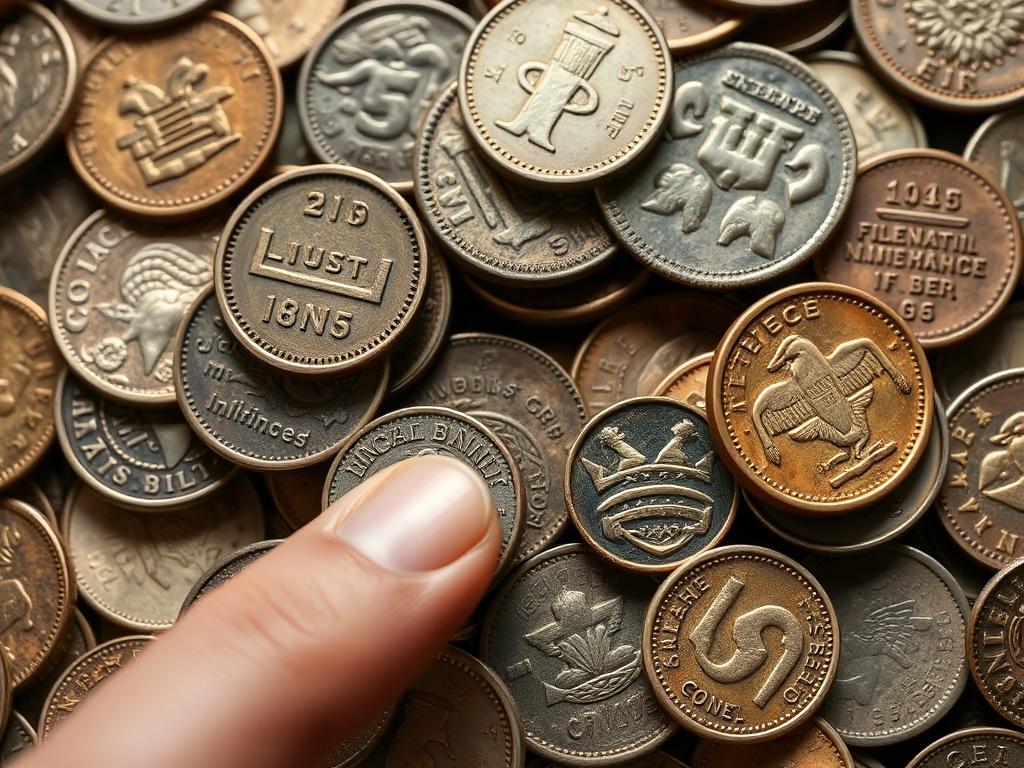
Step 4 — Research prices using multiple sources
Once you have identification and a condition estimate, consult price guides and recent sales. Don’t rely on a single number—values vary across platforms and over time. Use both printed references and online databases, and check sold listings rather than asking prices. Auction results, especially from reputable houses, reflect what buyers actually paid.
Good places to research
- Price guides: A Guide Book of United States Coins (the “Red Book”) and similar country-specific guides.
- Certification companies: PCGS and NGC publish online price guides and population reports.
- Auction sites: Heritage, Stack’s Bowers, and major auction houses for historical realized prices.
- Marketplace sold listings: eBay completed sales, but verify with high-quality photos and buyer feedback.
Step 5 — Authentication and professional grading
If your coin appears rare or valuable, consider third-party grading. Services such as PCGS and NGC encapsulate coins in tamper-evident holders, assign a grade, and provide provenance. Grading costs money and takes time, so reserve this for coins that may exceed the certification cost. Authentication also reduces the risk of accepting a counterfeit at face value.
Pros and cons of third-party grading
- Pros: widely accepted, makes selling easier, reduces dispute over condition.
- Cons: fees, turnaround time, and slight handling risk; not worth it for common low-value coins.
Step 6 — Where to get an appraisal or sell
Different sale routes suit different goals. If you want the highest price and have time, auction houses or online consignments can reach dedicated collectors. Local coin dealers offer convenience and immediate payment but may pay less. Coin shows and forums connect you with collectors who might pay a premium for a piece that fits their collection. Always get at least two opinions before accepting an offer on a valuable coin.
| Option | Best for | Considerations |
|---|---|---|
| Auction house | High-value, rare pieces | Fees and time; potential for strong competitive bidding |
| Certified grading + sale | Collectors seeking assurance | Upfront costs; typically higher final prices |
| Local dealer | Quick sale | Lower offers; check the dealer’s reputation |
| Online marketplaces | Common to mid-range coins | Seller fees and shipping risks; research comparable sold listings |
Common pitfalls and how to avoid them
Collectors and sellers fall into a few repeating traps. The most damaging is cleaning a coin to make it look «better» — that usually destroys collector value. Another is accepting a single price quote without verification. Counterfeits are more sophisticated than ever: avoid trusting looks alone. Finally, watch out for emotional selling; a sentimental attachment can cloud judgment about when to hold or sell.
Practical safety tips
- Never clean an old coin with harsh chemicals or abrasives.
- Get multiple opinions for coins that may be worth more than a few hundred dollars.
- Ask for photos of comparable coins sold recently when a buyer quotes a price.
- Keep records: photographs, notes on where and how you acquired the coin, and any appraisal documents.
Step-by-step checklist to check the value of an old coin
- Handle coins with gloves and place them on a soft surface.
- Identify denomination, date, and mint mark; photograph both sides.
- Use a loupe to inspect details, then estimate condition on the simplified grading scale.
- Weigh and measure the coin and compare to reference specifications.
- Search multiple price guides and recent auction results for the same date/grade/mint mark.
- If the coin appears valuable, consider submitting it for third-party grading or at least get a reputable dealer’s opinion.
- Decide where to sell based on the coin’s value: auction for high-end, marketplace or dealer for common pieces.
When to seek help from an expert
If you suspect the coin is rare or worth several hundred dollars or more, consult an experienced numismatist before taking any action that could reduce value. Experts can spot subtle minting variations, error coins, and provenance clues that dramatically change worth. Many dealers and reputable auction houses offer free verbal appraisals and will advise whether grading is worthwhile.
Final practical notes
Keep good records, be patient, and resist quick fixes. Coins can surprise you: a small, drab-looking piece might be a key date, or an attractive-looking coin could be a modern replica. The process of checking value is part curiosity, part detective work, and part market research. Enjoy the puzzle—each coin tells a tiny story of place, time, and craft.
Resources to bookmark
- Official grading services (PCGS, NGC) — price guides and population reports
- Auction archives (Heritage, Stack’s Bowers) — realized prices
- Numismatic forums and local coin clubs — community knowledge and identification help
- Reference books — country-specific price guides and the “Red Book” for U.S. coins
Conclusion
Checking the value of an old coin doesn’t require mystery—just a careful sequence: identify, inspect, research, and verify. Use simple tools, keep coins untouched, and cross-check multiple sources before you act. For coins that might be valuable, professional grading and multiple appraisals are worth the cost. With patience and a bit of detective work, you can turn an old coin into a well-understood asset—maybe even a pleasant surprise in your hands.